Competitie rond collegegeld
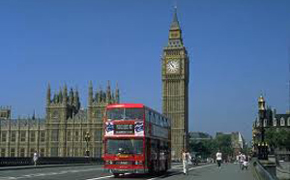
Overseas students are a lucrative source of income foruniversities all over Europe. Currently, the UK is the undisputedchampion: the alma mater to 214,000 non-EU international students.The OECD expects this number to grow to 258,000 by 2015 so that 10%of undergraduate and 50% of postgraduate students in the UK will befrom overseas. However, recent developments might work againstthese predictions as British Prime Minister, David Cameron,lives up to his campaign promises of slashing budget deficits andimmigration numbers.
From caps to fees
Home Secretary Theresa May recently explained British MPs thatGreat Britain had to “take action across all routes to entry – workvisas, student visas, family visas”. The new government’s goal isto cut immigration numbers of currently 196,000 per year to the”tens of thousands” by 2015. The catch: this immigration cap wouldalso entail refusing visas to up to 88,000 overseas students.
Those foreign students who do make it across the border may thenjoin their fellow British students paying higher tuition fees todecrease UK’s debt burden. UK and EU students currently face annualfees of £3,000 per year (around € 3,500), overseas students arecharged between £6,250 and £18,000.
Living up to his second campaign promise, Prime Minister Cameronintroduced legislation that would double or triple tuition fees forboth UK/EU and overseas students. The necessary legislationsqueezed through the House of Commons last week, deeply dividingthe LibDem coalition partner of Cameron’s Tories. Nobody was morein shock about this than Camilla, Duchess of Cornwall in herBentley.
Scandinavian taxpayers worried
Shifting higher burdens to students is not only favoredin the UK, but seems prominent in other countries as well. Swedenis often seen as leading in innovative education policies. There,it was common sense that all Swedish, EU and overseas studentscould study for free. This generous system was questioned once debtlevels rose all over Europe. That is why from 2011 on all of thecurrently 10,000 non-EU students will be charged up 200,000 kronor(over € 21,000) while Swedish and EU students go on studying forfree.
“It is not reasonable to expect Swedish taxpayers to sponsorforeign students’ studies,” states Tobias Krantz, Minister forHigher Education and Research. “Swedish students who wish to studyabroad have to pay.” Charging foreign students more than home/EUstudents is seen by many EU governments as a reasonable measure toprotect taxpayers. It is interesting to note, however, whichcountries now move towards a system that is more restrictive forforeign students and those that are not.
Dutch treat
Prof. Philip Eijlander, Dean of the University of Tilburg,recently prodded Dutch universities to take advantage of thistrend. Speaking at the seminar on Jo Ritzens
But Dutch universities will be able to attract many more of thecandidates for the English language institutions as long as we willbe effective in presenting the quality we can offer them. The mostrecent CHE-ranking is just one example of the verygood quality-assessment our whole HE-system receives, not justindividual universities, as is still the case with almost all otherHE in other European countries and outside Europe.”



