Cambridge leads in university ranking
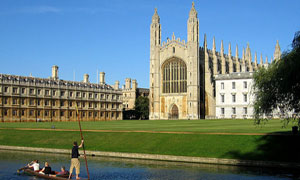
The
Amsterdam, Utrecht, Leiden in Top 100
Continental Europe is represented by the Swiss ETH Zurich onplace 18 and École Normale Supérieure, Paris on place 33. Germany,neighbor of the Netherlands and Europe’s biggest HE market,features Heidelberg University (53), and TU Munich (54).
In the Netherlands, University of Amsterdam scores highest andends up on the 63rd rank (down from 56 in 2010). Next inline are Utrecht (80), Leiden (88) and Erasmus University Rotterdam(103). TU Eindhoven which scored place 126 last year fell behind onrank 146.
Recognition of tuition fee hikes
For the first time, QS published tuition fees alongside theranking. “Students are generally being charged more than everbefore for their education” after widespread
Quacquarelli Symonds (QS) based its ranking on surveys from33.000 academics from 141 countries and included 3.000 institutionsin its research. QS used to publish its rankings jointly with TimesHigher Education (THE), but split from THE in 2010 overdisagreements in methodology. THE is set to publish its rankings inone month from now.
From Shanghai to Germany
The Shanghai Academic Ranking of World Universities(ARWU) published its 2011 ranking last month. According to ARWU,Utrecht University (48) is the best university in the Netherlandsfollowed by Leiden on place 65.
The German higher education think tank,
Doubts over added value of rankings
QS, Shanghai and THE ranking have been heavily criticized in thepast for their methodology. The European University lobby, EUA(European University Association), pointed out that “presentrankings favour large research intensive institutions… [However,]it is clear that despite their shortcomings, rankings are here tostay.”
To tackle methodology issues and establish a reliableinternational ranking, the European Union worked out amultidimensional university ranking,