Harvard richer than ever
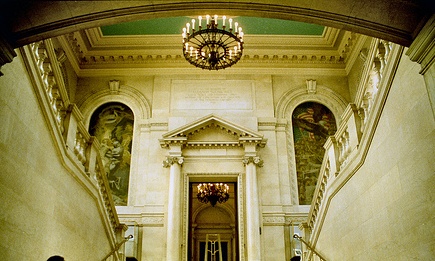
As it seems there is not only smart people studying and teachingat Harvard. Even more, the top university’s asset managers do anextremely smart job at making sure that the world’s richestuniversity gets even richer.
Within a year Harvard managed to realize a 21,4% return on itsinvestments, according to reports by
Universities in the Netherlands are publicly financed andtherefore do not invest capital to expand their wealth. Harvarddoes and successfully so. By comparison: While Harvard had anannual operating
From crash to happiness
Back in 2008, when the crash of Lehman Brothers caused thefinancial crisis, Harvard suffered substantial losses on itsportfolio. An $8 billion (22%) decrease in value led to harshbudget cuts. Staff was fired, construction projects delayed andHarvard’s asset managers sold $2,5 billion (€1,8b) in bonds to havesufficient cash at hand.
Now, Harvard can look again towards brighter times, being only$4,9 billion (€3,6) away from its endowment peak of $36,9 billion(€27b) before the crisis. Jane Mendillo, chief executiveofficer of Harvard Management, said that the fund is “now happierwith the mix of managers and strategies it contains”. She herselfcan be happy too: since things turned out well, her paycheck roseto $3.5 million (€2,6m) in 2009.
Oracle: Derek Bok
Two years ago, former Harvard president Derek Bok alreadypredicted that the Harvard’s financial losses during the crisiswould be not only temporary, but also a great chance forreforms.
In his