Research universities key to growth
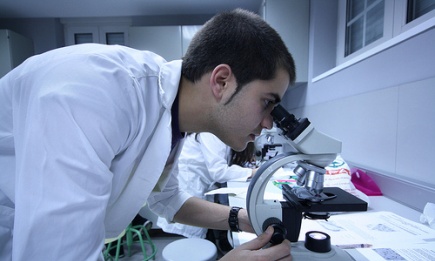
The modern world is driven by innovation. It creates new jobs,industries and products; it spurs the economy and gives us ourwealth. In the last sixty years, educated people have progressivelydriven innovation. The main sources of these highly educated peopleare the world’s top research universities. Top universities likeOxford, Zurich and Paris will be the key to future economic growth,however to increase their beneficial effect to society policychanges have to be made.
These institutions, with the support of governments throughoutEurope and working in partnership with all major industries, facenew challenges. The West is no longer the economic powerhouse ofthe world, new economies and new technologies are constantlyemerging. The National Research Council (NRC) formedrecommendations for American universities, the US government andothers to give the American knowledge economy a boost. Can theseoutcomes be translated into a European success formula?
Invest in higher education
The National Research Council states that universities are keyassets to the future. They are so because of deliberate decisionsmade in the past, even (or especially) in tough times. Europe’sfuture now depends on the willingness and expertise of currentpolicy makers to follow their example. Europe can learn a lot fromthe knowledge infrastructure yet successful in the United States,or as the NRC puts it eloquently: “the unique partnership that haslong existed among the nation’s research universities, the federalgovernment, the states, and philanthropy by enhancing their rolesand linkages and also providing incentives for stronger partnershipwith business and industry.”This will benefit society through morehigh-end jobs, higher middle-class incomes and the security, healthand prosperity we expect.
Talented graduates of top universities have createdbillion-dollar industries that employ millions of people. Themodern combustion engine, antibiotics and the television are allEuropean inventions that were realized by graduates of European topuniversities. However, still of major importance, these industriesare declining. Continuous innovation of these industries is neededto sustain their importance to the European economy. Even moreimportant is the development of new industries that will employmillions of people in the future. And as history shows us, thedevelopment of these industries often starts with research done atexcellent universities.
Seven recommendations
So what lessons can Jose Manuel Barroso and Olli Rehn learn fromthis NRC report to secure Europe’s future and stimulate the economythrough higher education and innovation when it is needed most?
- Invest in a European framework for innovation and research anddevelopment (R&D) strategies.
- Strengthen the business role in research partnership:facilitate the transfer of knowledge, ideas and technology tosociety.
- Create a “Strategic Investment Program” that funds initiativesat research universities critical to advancing education andresearch in areas of key national priority.
- Reduce or eliminate regulations that increase administrativecosts, impede research productivity, and deflect creative energywithout substantially improving the research environment.
- Improve the capacity of graduate programs to attract moretalented students.
- Secure education in science, mathematics, engineering, andtechnology for all Europeans, including women and underrepresentedminorities.
- Ensure that Europe will continue to benefit strongly from theparticipation of international students and scholars in ourresearch enterprise.
With these seven tips at their disposal during the negotiationson EU reforms this summer Europe can prepare itself for a brightand innovative future.
For a direct link to the report by The National ResearchCouncil (2012), click